
CGT Cost Base Reports
Renovated Your Investment Property? Don’t Overlook the Cost When You Sell.
Over the years, property improvements can add up to tens or even hundreds of thousands of dollars. But what happens when the invoices and records are missing?
Koste’s Chartered Quantity Surveyors assess historical construction and renovation costs, providing independent evidence to help your accountant determine the correct capital gains tax cost base.
- Starting price: $495 + GST
- Chartered Quantity Surveyor prepared
- Residential and commercial property
- Available Australia-wide

For your accountantIndependent quantity surveying evidence of historical improvement costs
Understand the cost base
Your Property’s Cost Base Is More Than Just Its Purchase Price.
A property’s cost base can include certain eligible acquisition, ownership, improvement and disposal costs, subject to applicable tax rules. Over years of ownership, renovations and extensions can become a significant part of that picture, but only where the cost can be identified and evidenced.
That’s where Koste comes in. Our Chartered Quantity Surveyors specialise in identifying and estimating historical construction and improvement expenditure, so your accountant has independent evidence to work from.
Purchase price
Money paid for the property
Koste’s focus
Eligible improvement expenditure
Where it can be identified and evidenced
Other allowable costs
Acquisition, ownership and disposal costs where allowed
Capital works deductions claimed or claimable
These reduce the improvement amount
Cost base
Worked out by your accountant
Simplified illustration of how the elements fit together. Your accountant works out the actual cost base.
Not all renovation spending qualifies
Repairs and maintenance that were deductible, and amounts claimed or claimable as deductions such as capital works, are generally excluded from the cost base or reduce it.
Capital works deductions reduce the cost base
Capital works deductions claimed or claimable reduce the cost base, so evidence can lower a figure as well as support one.
Plant and equipment is treated separately
Where a property is used to produce income, items such as carpets, blinds and appliances are generally treated as separate depreciating assets, dealt with separately from the property’s capital gain.
Your accountant decides
Koste provides quantity surveying evidence. We do not calculate your capital gains tax.
Illustrative example
See How Eligible Improvement Costs Could Affect a Capital Gain
Try the numbers. This simple tool shows, for illustration only, how improvement costs that are included in a cost base could change the taxable part of a capital gain and the tax on it. It doesn’t use your property details and it doesn’t work out your CGT.
Illustrative results
Eligible improvement expenditure
Illustrative reduction in taxable capital gainAfter the 50% CGT discount
Illustrative difference in taxIn this example only, not a prediction of your tax
In this example, $60,000 of eligible improvement costs would reduce the taxable capital gain by $30,000, which is a difference of about $9,600 in tax at a 32% marginal rate.
Assumptions used in this example
- The full amount entered is treated as eligible for inclusion in the cost base, after any capital works deductions claimed or claimable. Estimated construction costs are not automatically allowable, and your accountant decides what can be included.
- For an Australian resident individual with a CGT event (contract date) before 1 July 2027. With the switch on, the 50% CGT discount is applied because the property is assumed to have been held for at least 12 months. With it off, no discount is applied. The discount is not available to companies, and a complying super fund gets 33.33%.
- The marginal rate is one of the 2026–27 resident rates plus the 2% Medicare levy. It ignores tax offsets, the Medicare levy surcharge, any low-income Medicare levy reduction, other income, capital losses and the effect of moving into a higher tax bracket.
- Only the improvement amount you enter is considered. The purchase price, other cost base elements, sale price, adjustments and your actual capital gain are not included.
- The calculator applies the rules for CGT events before 1 July 2027. Legislation passed in June 2026 changes how capital gains that accrue from 1 July 2027 are taxed, so ask your accountant how the rules apply to you.
Educational example only. This calculator does not calculate your actual CGT liability and does not replace advice from your accountant or registered tax agent.
Scope
What Improvements Can Be Assessed?
We assess the construction and improvement work carried out at the property. How each item is treated depends on your circumstances, including when the work was done, who paid for it, and whether any amount was, or could have been, claimed as a tax deduction (for example capital works deductions, which reduce the cost base). Your accountant makes that decision.

Extensions and additions
Extra rooms, rear extensions, second storeys and other additions to the building.
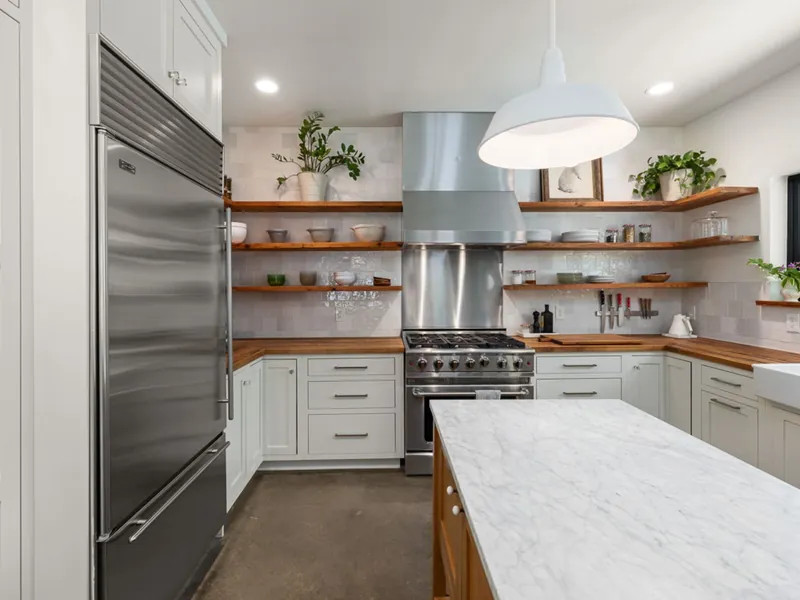
Kitchen renovations
New or reconfigured kitchens, including cabinetry, benchtops and associated building work.
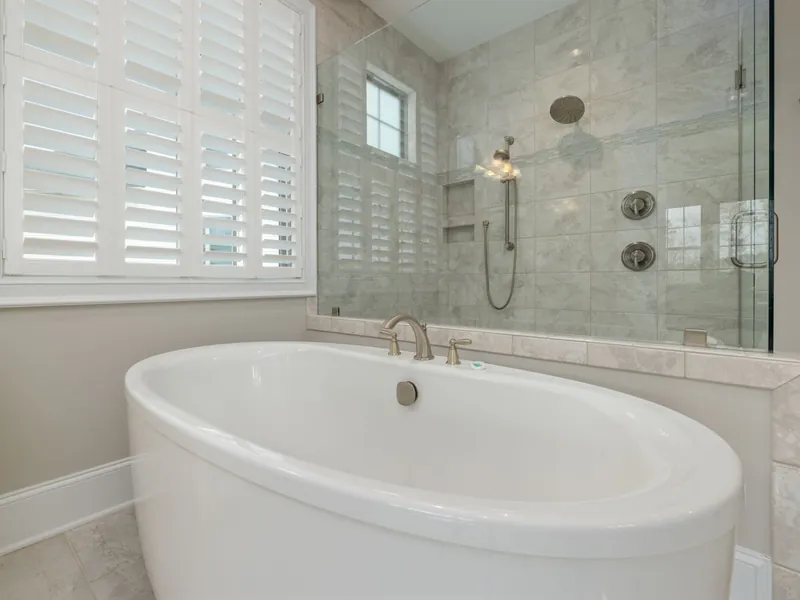
Bathroom renovations
Bathroom and ensuite upgrades, including waterproofing, tiling and fixtures.
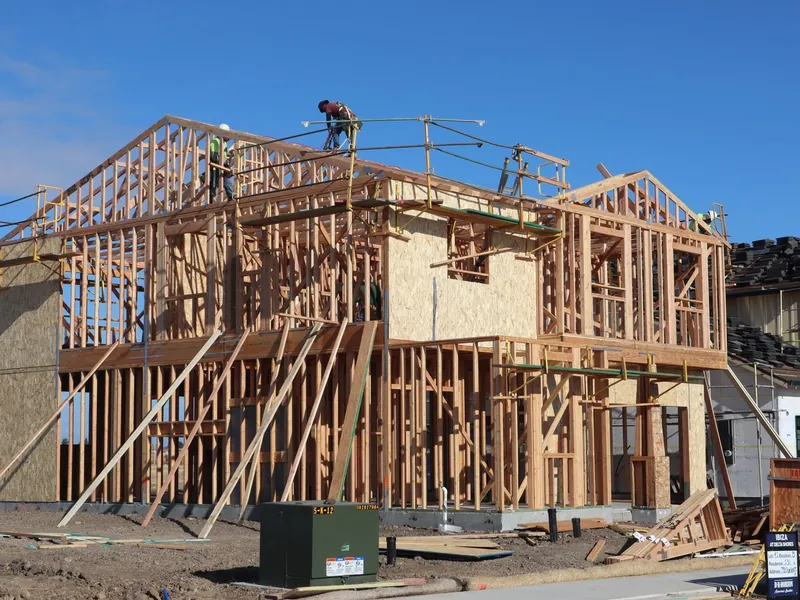
Structural alterations
Changes to walls, roofs, floors or the building’s layout.

Outdoor improvements
Decks, pergolas, driveways, fencing, retaining walls, pools and other outdoor works, where they are capital improvements to the property.

Commercial fit-outs and refurbishments
Tenant fit-outs, staged refurbishments and capital improvements to owner-occupied and investment buildings.
Repairs and maintenance that were deductible, and amounts claimed or claimable as deductions such as capital works, are generally excluded from the cost base or reduce it. Your accountant will consider this. Some outdoor works are capital works deductions and some, such as general landscaping, are not.
Two different documents
Not a Property Valuation. A Different Type of Evidence.
Property valuation
What is the property worth?
Estimates a property’s market value at a specified date.
- Question it answers
- What is the property worth at a specified date?
- What it looks at
- The property as a whole in the market
Koste CGT Cost Base Report
What did the work cost?
Assesses historical construction and improvement expenditure, supported by available evidence and professional quantity surveying estimates.
- Question it answers
- What did the construction and improvement work cost?
- What it looks at
- Individual improvements, supported by available records and estimates
Both reports may be useful in different circumstances, but they do not serve the same purpose. A CGT Cost Base Report does not replace a market valuation where a valuation is legally required.
The report
What Is Included in the Report?
Your CGT Cost Base Report is prepared by Koste’s Chartered Quantity Surveyors for you to give to your accountant. It sets out:
- Itemised construction and improvement costs
- Estimated historical expenditure, clearly identified as estimates
- Improvement dates where identifiable
- Supporting documents and evidence
- Cost estimation methodology
- Assumptions and limitations
- Quantity Surveyor review
Estimated amounts are not automatically eligible for inclusion in your cost base. Your accountant considers the evidence, any deductions claimed or claimable and the applicable tax rules before deciding what can be included.
Illustration of report structure only. This is not a client report.
Missing records
No Receipts? You May Still Have Evidence.
Many owners no longer have the original invoices for work done years ago. Other records can help us identify the work and support our assessment.
Historical property photographs
Renovation photos, real estate listing photos, or older images showing the property before the work.
Building plans
Architectural or builder’s plans, and before and after layouts.
Council approvals
Building approvals, development consents and final certificates, which can help confirm what was built and when.
Contracts and quotations
Building contracts, variations, tradesperson quotes and warranties.
Bank and payment records
Bank statements, loan drawdowns, credit card statements and transfer records.
Property inspections
Where needed, we can inspect the property to help identify and assess the work.
The availability and reliability of evidence determine what we can reasonably assess. We clearly show which amounts are documented and which are estimated, and where evidence is limited, the report says so.
An estimate does not automatically establish tax deductibility or cost base eligibility. Your accountant decides how each amount is treated.
Please don’t email documents with your first enquiry. Once we’ve confirmed scope, we’ll tell you how to upload them securely.
The process
How It Works
Tell Us About Your Property
Tell us about the property, when you bought it, the improvements you know about and what records you have.We Confirm Scope and Pricing
We review your information and confirm the scope of the report and the fee before any work begins.Our Quantity Surveyors Assess the Evidence
Our Chartered Quantity Surveyors review your records and, where needed, the property, then assess historical improvement costs.Receive Your Report for Your Accountant
You receive your CGT Cost Base Report to give to your accountant or registered tax agent.
Free Investor Hub
Track Your Improvements as You Go
Keep your property’s history in one place with a free Koste Investor Hub account. Add your property and record renovations and improvements, then upload contracts, invoices, receipts and photos as you go, so the evidence is ready if you later need a CGT cost base report.
The Investor Hub helps you organise your own records and is not tax advice. Talk to your accountant about how your records apply to your situation.
- Record each renovation with its date, cost and contractor
- Keep invoices, receipts and photos private and linked to the work
- See at a glance which records are still missing
Pricing
Professional CGT Cost Base Evidence From $495 + GST.
From$495+ GST
$544.50 including GST. This is a starting price.
- Residential reports start from $495 + GST
- Commercial properties, multiple renovations and complex jobs may need an individually quoted fee
- We confirm the scope and fee with you before any work begins
Prefer to talk? Call 1300 669 400. Or start free on the Koste Investor Hub.
Request Your Report
Tell us about the property on our secure enquiry page. We’ll confirm the scope and fee before any work begins. You can enquire online at any time.
What we’ll ask for
- Property address
- Residential or commercial
- Approximate purchase year
- The improvements you know about, and roughly when they were done
- Your expected sale or reporting deadline, if you have one
- Your name, email and phone number
Please don’t send documents yet. We’ll tell you how to send them securely once the scope is confirmed.
Prefer to talk? Call 1300 669 400.
Commercial property
For Commercial Property Owners, Accountants and Professional Advisers
Cost base evidence isn’t only for homes. We assess commercial assets, including owner-occupied and investment buildings, staged refurbishments and tenant fit-outs.
Each commercial project is individually scoped and quoted, and we confirm the scope and fee before work begins. Plant and equipment and capital works are identified separately for your adviser.
Discuss a Commercial Property Commercial refurbishment history
Tenant fit-outs
Capital improvements
Historical construction expenditure
Independent quantity surveying evidence
Who prepares your report
Prepared by Koste Chartered Quantity Surveyors
Chartered Quantity Surveyors
Reports are prepared by Koste’s Chartered Quantity Surveyors, who work on both residential and commercial properties.
Industry recognition
Highly Commended, RICS Australia Awards 2025 and 2026 (Quantity Surveying Team of the Year). Finalist, AIQS Built Environment Awards 2026.
Registered tax agent
Koste is a registered tax agent (Tax Agent Number 24836767). Our CGT Cost Base Reports are quantity surveying evidence only. We do not calculate your CGT or advise on your tax position. Your accountant or tax adviser does.
National service
Offices in Gold Coast, Brisbane, Sydney, Melbourne, Perth, Adelaide and Tasmania, helping property owners Australia-wide.
Questions
Frequently Asked Questions
Will this report calculate my capital gains tax?
No. We prepare quantity surveying evidence of historical improvement costs. Your accountant or registered tax agent works out your capital gain and advises on your tax position.
Can I obtain a report after selling?
Often, yes. We can assess improvements made while you owned the property even if it has already been sold, although records and access to the property can be harder to obtain after settlement. Tell us your contract and settlement dates and what records you still have, and we’ll confirm whether we can assess it before any work begins. Your accountant decides how the report is used in your tax position.
What if I renovated the property 15 years ago?
That’s common. We assess older work using what is available, such as plans, photographs, council approvals, contracts and payment records, and an inspection where needed. Documented expenditure is supported by records. Estimated expenditure is our independent estimate of what the work most likely cost at the time, clearly identified as an estimate. Tax eligibility is a separate question for your accountant, who considers when the work was done and which rules apply. CGT started on 20 September 1985. Properties bought before then have generally been exempt, although major improvements made after that date can be treated as separate assets. New rules from 1 July 2027 can also bring gains that accrue after that date into CGT, so tell us when you bought the property and ask your accountant how this applies.
What if a previous owner completed the renovations?
Work done before you bought the property is generally reflected in the price you paid rather than being a separate cost you incurred. If the property produces rental or business income, capital works deductions you claim, or could claim, for work the previous owner paid for also reduce your cost base. We can assess the construction cost so your accountant has documented figures. Whether any amount is included or reduces your cost base is for your accountant to decide.
What happens if I have no receipts?
Missing receipts don’t stop an assessment. Documented expenditure is anything supported by invoices, contracts or payment records. Estimated expenditure is where records are missing: we prepare an independent estimate from plans, photographs, approvals, contracts, payment records and, where needed, an inspection, and we identify it clearly as an estimate. For capital works deductions, the ATO accepts a construction cost estimate from an appropriately qualified person, such as a quantity surveyor, where the actual cost can’t be determined. Whether an estimate can support an amount in your cost base is for your accountant. Tax eligibility is separate again. An estimate does not make an amount eligible, and your accountant decides how each amount is treated.
Will every improvement be included in my cost base?
Not necessarily. Estimated amounts are not automatically eligible. Treatment depends on the nature of the work, when it was done, whether amounts were claimed, or could have been claimed, as deductions and the applicable tax rules. Your accountant makes that assessment.
Does this replace my depreciation schedule?
No. A tax depreciation schedule supports annual deductions while you own an income-producing property. A CGT Cost Base Report documents historical improvement costs for your accountant’s cost base assessment, often when you’re preparing to sell. Some owners need both. If you already have a Koste depreciation schedule, tell us, because it may help with the assessment. A depreciation schedule’s capital works figures can also matter at sale, because capital works deductions claimed or claimable reduce the cost base.
Can the report be used for commercial property?
Yes. We prepare cost base evidence for residential and commercial property. For commercial assets the scope is tailored to the building, its fit-outs and your adviser’s needs, and we confirm the scope and fee with you before work begins. Plant and equipment and capital works are identified separately for your adviser.
What is the difference between construction costs and market value?
A market valuation estimates what a property is worth at a specified date. A construction cost assessment estimates what particular building work cost, such as a rear extension or a kitchen. They answer different questions, so a construction cost figure is not a market value. Where a market valuation is legally required, a CGT Cost Base Report does not replace it.
Can my accountant request the report directly?
Yes. Your accountant, registered tax agent or another adviser can enquire on your behalf, with your authority. We confirm the scope, the fee and who the report is for before any work begins, and the report is written for your accountant to use alongside your other records.
When should I order a report?
Ideally before you sell, or as soon as your accountant asks for improvement evidence. Allow time for us to confirm scope and gather records. If you have a deadline, include it in your enquiry and we’ll tell you whether it can be met before you proceed.
Keep reading
Helpful Resources
Koste services
Knowledge Hub and CGT articles
Koste Chartered Quantity Surveyors provides quantity surveying cost assessments. We do not provide tax, legal or financial advice. Your accountant or registered tax agent is responsible for determining your capital gains tax position.